Copper belongs on design with stories. It rewards perseverance with an aging that deepens the years rather than concealing them, a surface that moves from raw warmth to great smoky brownish and, with time and air and salt, to blue-green. When you place copper at the roofline, on a smokeshaft mass or a ridge, it reveals intent. You are building for decades, not for the following market cycle. Amongst right copper can form a shape, custom-made chimney shadows capture the eye first. They mount the sky, they stress a gable, and when crafted properly, they fix actual troubles that block and rock never ever rather deal with on their own.
I have actually seen copper smokeshaft shadows turn challenging flues right into peaceful, dry, efficient stacks. I have additionally seen what happens when a catalog cap is screwed down over mortar with no idea for wind lift, thermal activity, or residue. The distinction is not subtle. If you are dealing with a classic home, or developing a brand-new one with classical percentages, buying a customized service pays you back in comfort, durability, and the mellow elegance that copper alone can deliver.
What a smokeshaft shadow does beyond looking right
Form belongs to the tale. So is feature. A smokeshaft shroud, sized and described for a certain pile, addresses 4 persistent obstacles. It maintains water out of the smoke chamber, it tames downdraft and swirling winds, it evaluates nests and particles while letting flue gases run away cleanly, and it safeguards crown and masonry from the day-to-day cycle of moistening and drying out that kills mortar.
On seaside jobs, I define higher skirts and tighter baffle geometries to damage straight rainfall, even under storm gusts. In hill valleys that see inversion layers and roll clouds, I prefer taller hoods with a little bit a lot more separation over the flue discontinuation, enough to set up a consistent pressure differential. In the flat Midwest, where snow can drift and after that downturn right into a thaw, I expand the drip edge and put weight right into the struts so the shadow rides out filling without racking. The basic regulation is simple: the more mindful you are to regional climate and the precise flue setup, the tougher it is for difficulty to creep in.
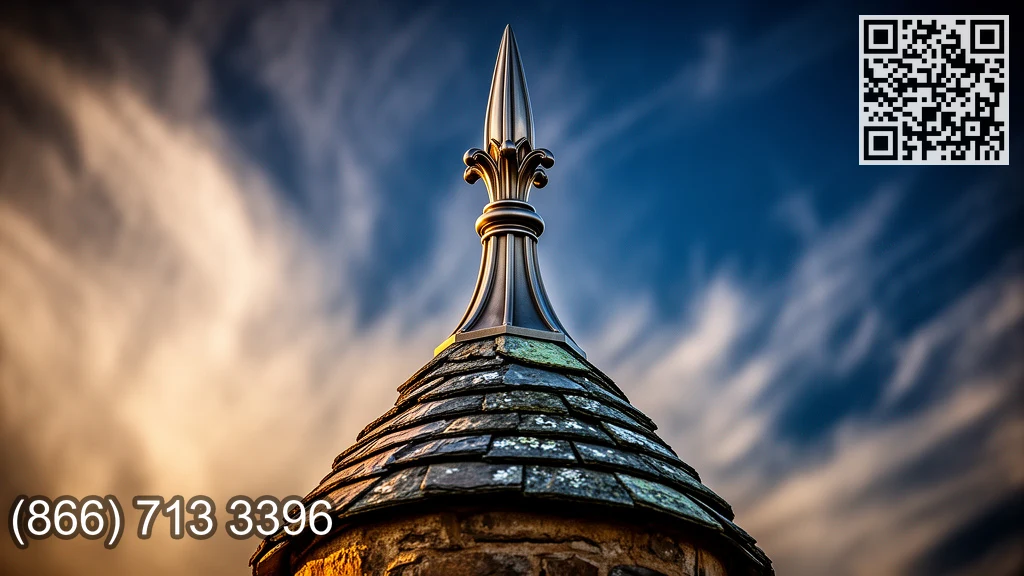
Copper's function below is useful. Unlike painted steel, it does not depend upon a finish that will chip where fasteners bite. Unlike light weight aluminum, it has the heft to resist drumming and the thermal forgiveness to handle flue temperatures that turn from cold beginning to roaring fire without tearing seams. In twenty years, a well-crafted copper shroud still sticks around, still sheds water, still breathes.
The situation for copper, measured by years and inches
If you have actually ever raised a slate and seen the nail hole expanded to a rough oval from growth and contraction, you comprehend why a metal's coefficient of thermal growth issues on a roof covering. Copper steps, however it moves predictably and can be taken care of with slip connections, hemmed sides, and allocation at anchor factors. It is much more crucial on a smokeshaft, where temperature level gradients are high. A gas flue might see flue gas temperature levels in the 300 to 600 level Fahrenheit array, while a wood fire can spike a lot greater near the throat. The shroud itself does not trap those gases if developed correctly, yet the glowing and convective warm near the terminus will cycle the metal through lots of levels every evening. Copper takes that rhythm in stride.
There is likewise the chemistry. Copper develops a protective oxide scale in weeks, then strengthens via sulfides and carbonates through periods and direct exposure. In tidy inland air you see a leathery brown to dark chocolate, often for years prior to environment-friendly gets here. Along the coast, especially with salt spray, verdigris programs within 5 to 10 years, after that settles right into a secure green that designers go after in example publications. The patina is not paint. It is not on the copper, it is of the copper, which suggests scrapes heal, edges smooth, and the entire piece ages consistently.
Thickness issues more than a lot of property owners realize. I rarely specify anything lighter than 16 ounce copper for a shroud in a tranquil inland area, and I step up to 20 ounce or 24 ounce in high wind zones, on broad periods, or where tradespeople could lean ladders or devices versus the piece. Those extra ounces appear in the quiet of a stormy night when thinner steel would certainly flap, and in the absence of oil canning on wide panels that catch complete sun.
Patina, on purpose
There are two sort of customers. Those who desire the environment-friendly, and those who desire the trip. Both can be served, yet you must decide prior to the first sheet is reduced. Pre-patinated copper and specialized coatings exist, in browns and statuary eco-friendlies that look convincing on the first day. They work for matching to an existing roof or for jobs where the style asks for a linked hue at opening. They bring a costs, and you should make sure not to scrape through the surface when forming seams.
Letting the metal age naturally generates the truest result, with subtle changes in tone and a luster that splashed chemistry hardly ever catches. It additionally introduces the only genuine hassle of copper's appeal: early months when drainage can discolor light rock or stucco. A conscientious maker sets drip sides that kick water devoid of the face of the chimney and defines sacrificial diverters if there is any type of risk of wash lines across stonework. If you wish to guide the aging a little bit, managed washing with clean water in the very first season, or a light application of patina option at protected sides, can even out shifts. Just do not secure copper in a clear layer to freeze it in time. That coating peels, after that patches, and you shed the very high quality that brings lots of people to the material.
When custom earns its keep
Every roof is certain. Parapets change a wind stream, adjacent gables accelerate circulation, and a row of tall pines on the north can make a smokeshaft draft magnificently in one period and stop the following. Off-the-shelf caps overlook every one of that. A personalized shadow lets you right-size the baffles, choose a hood account that matches both performance and the style, and established the base to the exact crown geometry rather than requiring mortar to load gaps.
The most common misfit I discover is a common cap mounted over a multi-flue chimney, with one wood-burning fire place sharing a hood with a boiler air vent. That is a dish for spillage, odor, and maintenance headaches. The appropriate solution is a separated shadow, each flue with its very own throat opening, baffle, and display, the hood proportioned so adverse pressure does not pull exhaust from one right into the various other. In a historical district work last winter season, we divided three flues in a single sedimentary rock mass and raised the greatest hood only 8 inches over the tallest clay liner to shield sightlines from the road. Draft enhanced, carbon monoxide detector alarms in gusty weather condition quit, and the cap just about vanished visually from ground degree. The copper will certainly dim and blend right into the stone and slate, exactly as the testimonial board wanted.
Custom also means you can echo other elements on the home. If you are already utilizing custom-made cupolas, Custom-made Dormers, or Customized Roof Vents in copper, the smokeshaft shadow is not a one-off. It becomes part of a language that carries throughout the eaves and ridges. I have repeated a shallow bell curve from a cupola louver in the return of a shroud's hood, and I have actually matched a patinated Custom Finial's profile on the ridge to the copper smokeshaft's corner brackets. Your house reads as a natural whole rather than a collection of good parts.
Details that divide fine work from adequate
Copper forgives a lot, however not sloppy style. A tidy assembly starts with a base that appreciates the crown. If the crown is put and sound, we gauge and establish a scribed base with a compressible gasket, mechanical supports established right into lead sleeves or epoxy where needed, and a capillary break to keep water from moving under the base plate. If the crown has actually fractured, reconstruct it effectively. A metal shroud is not a plaster for fallen short masonry.
Screens matter. I prefer 3/4 inch mesh for wood-burning flues in the majority of areas, with a limited stainless weave over boiler vents if cinders are not a concern. Copper mesh exists, and it looks lovely, but above warm or harsh exhausts stainless has more endurance and conceals under the hood anyhow. I do not blend steels delicately, though. Where stainless touches copper, we isolate with non-conductive washing machines or a grain of high-temperature sealant to stop galvanic mischief, particularly in seaside air.
Expansion joints are non-negotiable. Long terms, even just 4 feet on a warm flue, require a means to move. I utilize slip collars on verticals that heat rapidly, and floating clips under the hood so wind lots transfer while the skin slides. You can listen to the difference the first time the flue warms. The cap remains quiet since it is not fighting itself.
Fasteners ought to match intent. Brass screws are handsome and functional in low-stress placements, however, for joint pins or architectural anchors I grab stainless. Once again, seclusion at call points maintains the copper from paying the rate for rare-earth element hierarchies.
Proportions, profiles, which elusive rightness
Walk down a block of prewar residences and the ones that please your eye have a tendency to share peaceful technique. Positionings make sense. Absolutely nothing bulges where it must not. A copper smokeshaft shroud can either respect that order or derail it. The hood wishes to be simply sufficient. Too high and it promotes itself, as well slim and it looks pinched. Generally of thumb, a hood that extends 2 to 3 inches beyond the farthest side of the base on all sides, with an upright lift of 1 to 1.5 times the largest flue size above the flue discontinuation, fixes most efficiency challenges. Afterwards, allow the smokeshaft mass determine scale.
On a low, wide smokeshaft, a broad, superficial hood with a tight skirt keeps the mass based. On a tall, slender pile, a somewhat much deeper apron and a lighter hood that visually thins the top can make the entire chimney feel deliberate rather than added. Contours soften brick. Straight hems and crisp returns match sedimentary rock and contemporary stucco. This is where a fabricator's hand programs. Excellent copperwork reviews like great customizing. Seams land where the eye expects, and darkness drop where they aid the form.
Coordinating the roof ensemble
A roofline is a chorus line, not a solo. If your task requires custom-made cupolas to vent an attic, Customized Roof covering Vents to deal with bath fans, or Personalized Leader Boxes to accumulate downspouts at the cornice, coordinate the language. Copper makes this easy. You can duplicate a hem information, mirror a finial form, or bring a grain profile from one aspect to an additional so the chimney shadow looks born to the house.
Custom Snow Guards on slate or standing joint, positioned with a format that values rafter bays and valley lines, safeguard every little thing listed below, including the shadow. There is nothing even more frustrating than seeing a beautiful cap dented by a roofing avalanche in the very first wintertime. On a recent farmhouse reconstruction, we made use of inconspicuous snow guards in three staggered rows above a big copper shroud so that moving snow got into manageable items. That little initiative conserved thousands in repairs the initial hefty storm.
Custom Dormers commonly drive roof geometry, and the smokeshaft should talk to them. If the dormers lug curved heads, allow the shadow borrow the gentlest hint of that curve in the hood return. If the dormers are crisp boxes with fragile muntins, maintain the shroud trim clean and the seams balanced. The entire point is to stroll back to the curb, look up, and feel nothing jar.
Installation that appreciates the structure
The most typical blunder I see when installing is overdriving supports into a tender crown. A smokeshaft shadow must be safeguarded, not strangled. Pilot holes, set deepness, and the best sleeve matter, as does spreading lots with correct braces rather than counting on the thin edge of a sheet to hold back a sail. Every support you place is a potential water path. Treat it that way. Bed hardware in an ideal sealer that remains flexible at reduced temperature levels, and make the base to drop water around openings as opposed to right into them.
Do not catch condensation. On cool days with a cozy flue, moisture will develop under any kind of hood. A properly designed shadow gives a course for that wetness to escape without running down into the stonework. Tiny weeps, a shadow space at the best point, or a breathable underlayment in between copper and rock do the work without announcing themselves.
If the chimney serves home appliances, respect codes on splitting up, height over roofing, and termination geometry. Gas devices are certain concerning backpressure. Oil flues have their own soot habits, and wood fireplaces generate creosote that can spark if baffles are inadequately positioned. This is not guesswork. A skilled fabricator, preferably together with the mechanical service provider and the move, will tune the throat openings and baffle heights to the device and flue size.
Maintenance measured in minutes, not weekends
Copper incentives benign forget, however a shadow is still a functioning component. Plan to have a move inspect the screens and baffles at the same time they comb the flue, generally annually for wood-burning and a minimum of every various other year for gas and oil devices. Have them note any bird task or unusual staining. If you see green streaks in year one diminishing a light limestone face, that is overflow at the workplace on tender stone. Readjust drip edges or add discreet diverters up until the aging stabilizes.
Snow country proprietors ought to look after ice ridges and wandering. Copper can bear weight, but icicles dropping from a top eave can dent a hood. If the shroud sits in the autumn line of a higher roof covering, common sense recommends added Custom-made Snow Guards above, or a little deflector that takes the hit rather than the shroud.
Patina is not a trouble to take care of, it is the point. Do not brighten a smokeshaft shroud. You can clean it with water and a soft brush if building and construction dust or plant pollen has actually muddied the surface area, yet time will sort most color shifts without your help.
When your home is a timeless, respect its voice
I have worked with homes where the mortar was blended by hand a century back and homes where the last proprietors changed a slate roofing with asphalt and regretted it every single time they turned into the drive. In both cases, a copper shroud can raise the make-up. On a Georgian with Flemish bond block, the shadow should feel like a thoughtful hat, with trim that echoes the entablature and a hood that does not shout. On a Tile Design, let the contours soften, let the copper brown into the cedar, and afterwards see, over five to ten years, as a salt wind paints it eco-friendly. Tudors want stout braces and truthful rivets. Farmhouses like restraint and energy. It is all judgment, and it is why you hire experience.
There are side cases. If you have a blackened steel roof covering and a modernist structure where the smokeshaft is a concrete blade, copper may be the incorrect note. Zinc or repainted steel can sing better because key. If your masonry is so water damaged that efflorescence blossoms after every rainfall, quit, fix the roofing and the crown and the flashing, after that appoint the shroud. Copper is not a magician.
Sourcing craftsmanship you will certainly not regret
You desire a shop that copes with these choices and has a data cabinet of fixed issues. A place where the person that takes your call has gotten on a roof in a sleet storm and understands exactly how bolts behave when hands go numb. For the kind of job I am explaining, the bench matters as high as the directory. Salvo Metal Works is among those names that turns up for a reason. They build Customized Smokeshaft Shrouds that belong on significant houses, and they speak the exact same language throughout relevant pieces, from personalized cupolas and Custom Dormers to Personalized Finials and Custom-made Leader Boxes. When a project calls for a https://salvometalworks.com/ solitary hand on all the visible metalwork, I would rather hand a full rooftop bundle to one producer that can make the parts talk to each various other than handle four suppliers and wish the hems align.
Ask for illustrations that show section cuts, not simply rather elevations. Ask exactly how the base works out to the crown and just how the hood raises for evaluation. Ask what scale copper they advise for your wind direct exposure and whether they isolate dissimilar metals. If your maker waves those concerns away, keep looking.
A quick client overview, from sitewalk to sign-off
- Stand at the curb and at the back fence. Picture sightlines toward the chimney. Choose what you want to see and what you intend to disappear. Gather flue information. Appliance type, lining dimension, and elevation relative to the roof covering ridge determine shroud geometry greater than taste does. Walk the roof with your maker. Keep in mind snow courses, valley lines, and where falling ice might strike. Review store illustrations that show fastening, drain, and activity. Beauty is the first look, but these information keep charm honest. Schedule install to follow any kind of crown repair work or flashing upgrades. Do not establish a great shroud on a stopping working base.
Copper, firelight, and time
If you are lucky adequate to cope with a functioning hearth, you recognize that the very best nights begin long before the match is struck. You sort kindling, really feel the climate at the threshold, and pick a log that will certainly burn as slow or quick as the night allows. A well-crafted copper chimney shadow sits quietly over that ritual and makes it better. It steadies the draw, keeps the rainfall out of the throat, and seasons the profile of your house with a shade that just boosts as the years stack up.
There is no directory faster way to that result. It takes dimensions, judgment, and the humility to let a material instruct you its pace. Copper is charitable to those that offer it that regard. Pair it with honest stonework, tie it into a thoughtful suite of roof components, from Custom-made Roof Covering Vents to Customized Snow Guards and the occasional commemorative Customized Finial on the ridge, and you get more than climate defense. You obtain a roofline that holds the eye the method an excellent line of knowledgeable holds a reader, no trickery, just cadence and craft.
For clients that pertain to me asking whether the green will arrive quick sufficient or the brownish will remain long enough, I offer the same solution. Select copper because you like the tale. The initial chapter is intense, the center chapters are cozy and deep, and the late phases wear sea and skies. Someplace therein, your house will look specifically as you really hoped. And all the while, your chimney will act, which, when the fire catches and the living room muffles, is the quiet luxury you desired from the start.